Digital Weekly and Daily Planner Canva: Your Blueprint for Focus
There is a specific kind of creative frustration that comes from staring at a blank canvas when you should be organizing your life. You know the drill: you open a complex design software, stare at a blinking cursor, and realize that creating a planner from scratch is actually a project that prevents you from doing your actual work. That is exactly the friction point the Digital Weekly and Daily Planner Canva templates are designed to eliminate. This isn't just a set of pretty pages; it is a functional system built inside an ecosystem you likely already use.
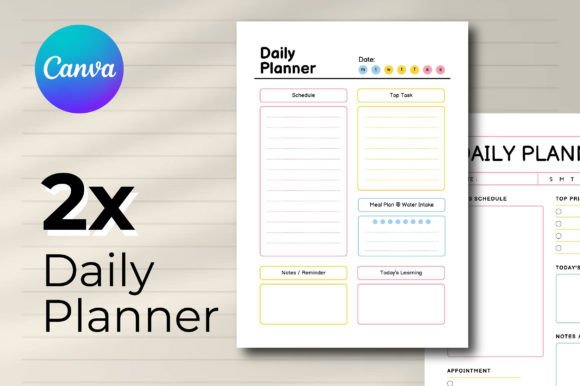
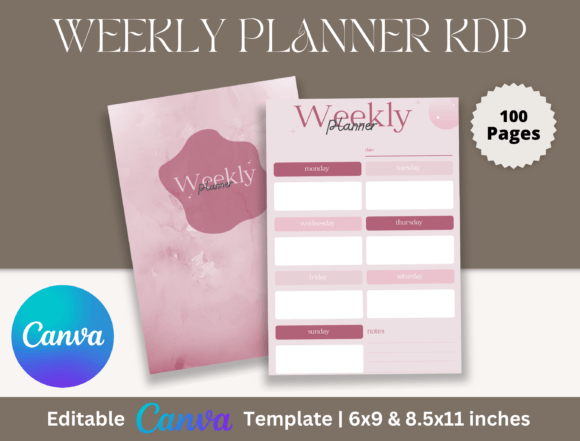
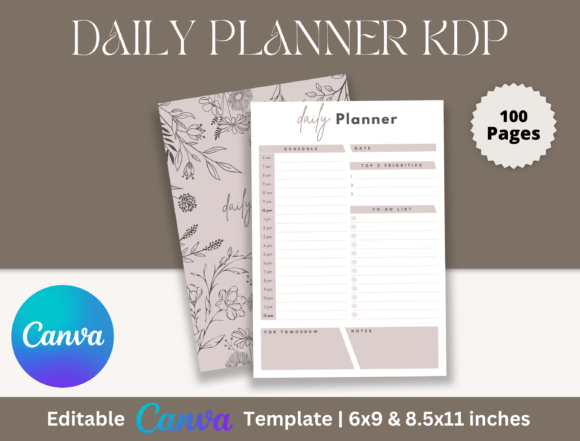
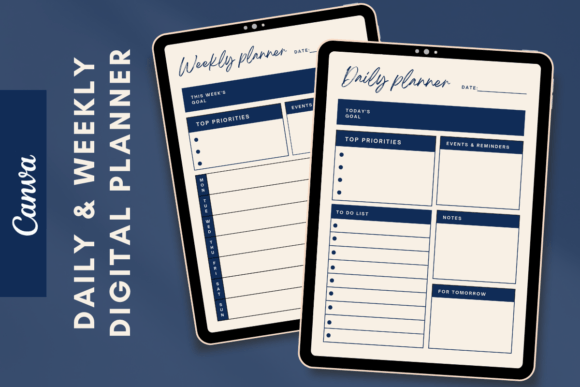
As someone who has spent years managing editorial calendars and brand assets, I can tell you that the value of a template isn't just in how it looks—it is in the reduction of cognitive load. When you download this package, you are getting two distinct digital assets: a daily planner and a weekly planner. These are editable in Canva, meaning they function as living design assets rather than static PDFs. The visual style leans into a clean, modern aesthetic that prioritizes whitespace and hierarchy. It avoids the clutter that plagues so many productivity tools. Instead, it uses a balanced layout that feels professional yet approachable, making it suitable for high-level project management or personal goal setting.
The Anatomy of a Functional Layout
When we talk about modern typography and layout in the context of productivity, we are really talking about visual hierarchy. The designers behind these templates have made specific choices that guide your eye naturally. You will notice that the headers are distinct, likely using a sans serif font that offers high legibility on screens. This is crucial for web design and digital planning because screens render vector-based sans serifs with sharp precision. The body text is likely balanced with a complementary weight, ensuring that your to-do lists don't blend into your notes.
The personality of the Digital Weekly and Daily Planner Canva kit is versatile. It is professional enough for a corporate brand identity presentation but relaxed enough for a lifestyle blogger’s content calendar. This adaptability is key. By utilizing a neutral color palette that you can easily swap out, these templates act as a chameleon for your brand identity. You are not locked into a specific color scheme; you are provided with a structure that respects the principles of editorial design.
Practical Applications: Beyond the To-Do List
While the primary function is planning, the utility of this digital download extends much further. For the entrepreneur or small business owner, these templates are a gateway to consistent social media graphics. Imagine exporting your weekly plan as a JPEG and sharing it on Instagram Stories to show your audience what you are working on. It builds transparency and humanizes your brand. For marketers and content creators, this is a way to visualize a campaign timeline before moving it into project management software.
Here is how different professionals can leverage this asset:
- For Designers: Use the weekly layout as a mood board or a timeline for client deliverables.
- For Bloggers: Map out your editorial calendar visually to ensure a balanced mix of topics.
- For Hobbyists: Track fitness goals, reading lists, or craft projects with a clean visual record.
- For Students: Manage course loads and assignment deadlines with a system that feels premium but costs nothing to operate.
The fact that these work with a FREE Canva Account is a significant advantage. Many premium font templates or complex design assets require a Pro subscription to unlock specific features. By removing that barrier, this template ensures that your design toolkit is accessible regardless of your budget.
Customization and Brand Consistency
The true power of editing inside Canva is the ability to maintain consistency. If you have a specific display font or script font that defines your brand, you can upload it to Canva and swap it into the headers. This transforms a generic planner into a piece of branded collateral. If you are a designer creating assets for a client, you can mock up the planner using their specific typeface to show how they can manage their internal communications.
Let’s talk about the "editable" aspect. This usually implies the use of text boxes and grouped elements. A well-made template allows you to move elements without breaking the layout. You should be able to resize boxes, change the opacity of background elements, and insert your own photography. This flexibility is what separates a useful design asset from a rigid image file.
Visual Hierarchy and Readability
When you open the file, pay attention to the spacing. Good planning templates utilize "padding"—the empty space around text—to prevent the design from feeling cramped. This is a fundamental principle of web design and packaging design alike. If your text is too close to the edges of a box, it creates visual tension that makes the content harder to scan.
The Digital Weekly and Daily Planner Canva templates seem to understand this. The layout likely utilizes a grid system. This allows you to align your text and images perfectly, creating a polished look that suggests professionalism. Whether you are using this for personal planning or sharing it publicly, that alignment communicates competence. It tells the viewer (or yourself) that the information is organized and reliable.
Exporting and Distribution
The versatility of the download format is another highlight. Once you have customized your planner, you are not limited to just printing it. The instructions suggest saving as JPEG, PDF, MP4, or GIF. This opens up creative avenues for social media graphics.
- PDF: Best for digital planning apps like GoodNotes or for printing.
- JPEG/PNG: Ideal for static Instagram posts or Pinterest pins.
- MP4/GIF: You can animate elements in Canva before downloading. A "glitch" effect on a header or a fade-in on text can turn a static plan into an engaging piece of video content for Twitter or TikTok.
Choosing the Right Tool for the Job
Why choose a Digital Weekly and Daily Planner Canva over a generic paper planner? The answer lies in iteration. In the world of commercial font usage and logo design, we iterate constantly. We don't get it right the first time. A digital planner allows you to duplicate a page, try a new layout, and delete it if it doesn't work—all without wasting paper. It supports a non-linear workflow.
Furthermore, for those managing a brand identity, using a digital planner ensures that your planning process is as polished as your output. It reflects a mindset of digital-first organization. It is a tool that respects the reality of modern work: we are mobile, we are digital, and we need our tools to be as flexible as our schedules.
Ultimately, this asset is about removing friction. It is about giving you a head start so you can focus on the content of your week rather than the construction of the calendar. Whether you are a crafter tracking inventory or a publisher managing a launch, the structure provided by these templates offers a reliable foundation for a productive week.